7 Powerful Health Benefits of Magnesium You Shouldn't Ignore
Diabetologist | Metabolic & Obesity Physician
Comprehensive Diabetes & Metabolic Care Center, Chitradurga
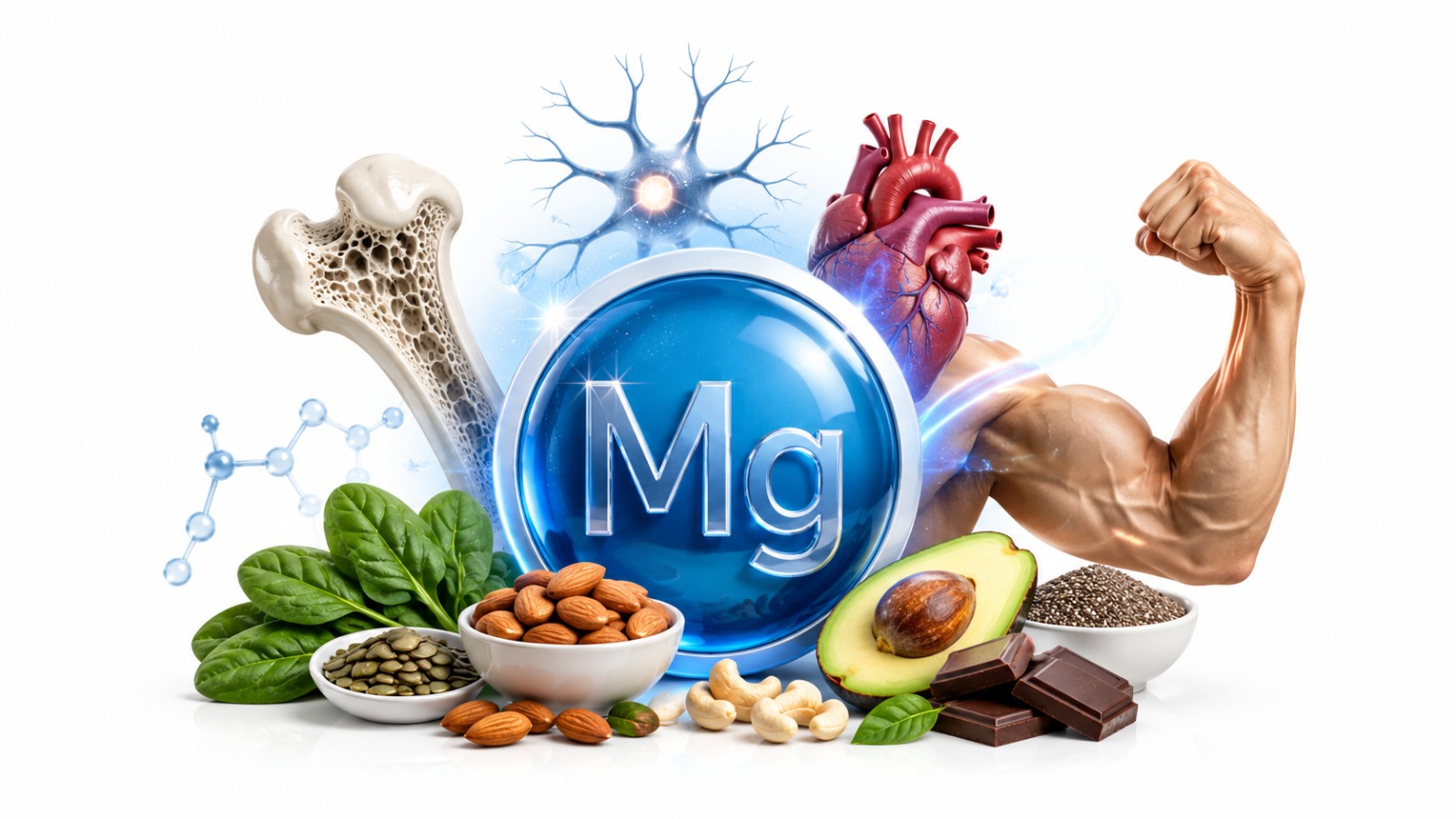
Magnesium is often called the "quiet mineral" because it performs hundreds of essential functions without attracting much attention. It supports more than 300 enzyme reactions in the body and plays a vital role in heart health, muscle function, nerve activity, bone strength, energy production, and blood sugar regulation.
Unfortunately, many people do not get enough magnesium through their daily diet. Understanding its health benefits can help you make better nutritional choices and support your long-term well-being.
7 Science-Backed Health Benefits of Magnesium
1. Supports Heart Health
Magnesium helps maintain a regular heartbeat, supports healthy blood vessels, assists in blood pressure regulation, and contributes to overall cardiovascular health.
2. Strengthens Bones
Working alongside calcium and vitamin D, magnesium helps maintain bone density and may reduce the risk of osteoporosis and fractures as we age.
3. Improves Blood Sugar Control
Magnesium supports insulin function and glucose metabolism. Adequate intake is associated with improved insulin sensitivity and a lower risk of Type 2 Diabetes.
4. Reduces Muscle Cramps and Fatigue
This mineral is essential for normal muscle contraction and relaxation. Low magnesium levels may contribute to cramps, muscle weakness, twitching, and tiredness.
5. Promotes Better Sleep
Magnesium helps calm the nervous system and supports deep, restorative sleep by regulating neurotransmitters involved in relaxation.
6. Helps Manage Stress
Magnesium supports healthy brain function, regulates the body's stress response, and may help reduce anxiety and improve overall mood.
7. May Help Prevent Migraines
People with frequent migraines often have lower magnesium levels. Adequate magnesium intake may reduce the frequency and severity of migraine attacks in some individuals.
How Much Magnesium Do Adults Need?
| Group | Recommended Daily Intake |
|---|---|
| Men (19–51 years) | 400–420 mg/day |
| Women (19–51 years) | 310–320 mg/day |
| Pregnant Women | 350–360 mg/day |
| Adults Above 51 Years | Aim for the upper recommended range for your gender. |
Best Food Sources of Magnesium
- Green leafy vegetables such as spinach, amaranth, and fenugreek (methi).
- Legumes and pulses including chana, rajma, moong, soybeans, and lentils.
- Nuts and seeds such as almonds, cashews, peanuts, sesame seeds, flaxseeds, and pumpkin seeds.
- Whole grains including oats, brown rice, whole wheat, ragi, jowar, and bajra.
- Dairy products, tofu, bananas, avocados, and certain fish.
Food First Is the Best Approach
For most healthy adults, getting magnesium from a balanced diet is the safest and most effective way to meet daily requirements while also providing other important vitamins, minerals, and dietary fiber.
When Are Magnesium Supplements Needed?
Magnesium supplements may be recommended for people who have a documented deficiency, poor dietary intake, certain digestive disorders, uncontrolled diabetes, or medications that increase magnesium loss.
Magnesium citrate, glycinate, malate, and aspartate are generally better absorbed than magnesium oxide. However, supplements should only be taken under medical supervision, particularly in people with kidney disease, as excessive magnesium intake may cause diarrhea, stomach upset, or dangerous magnesium accumulation.
Frequently Asked Questions
Can magnesium help with diabetes?
Magnesium supports insulin function and healthy glucose metabolism, but it is not a substitute for diabetes medications or lifestyle changes.
Can low magnesium cause muscle cramps?
Yes. Magnesium deficiency is one possible cause of muscle cramps, twitching, and muscle weakness, although other medical conditions can also contribute.
Is it better to get magnesium from food or supplements?
Most people should aim to meet their magnesium needs through a healthy, balanced diet. Supplements are recommended only when medically indicated.
Can too much magnesium be harmful?
Yes. Excessive supplementation can cause diarrhea, nausea, abdominal discomfort, and serious complications in people with kidney disease.
A Message from Dr. Prashanth G
Magnesium is one of the most important minerals for maintaining overall health. It quietly supports your heart, bones, muscles, nervous system, sleep, metabolism, and emotional well-being every day.
Eating a balanced diet rich in vegetables, whole grains, legumes, nuts, and seeds is usually enough to maintain healthy magnesium levels. If you suspect a deficiency or have ongoing health concerns, consult your doctor before starting supplements.
Small nutritional improvements made today can have a lasting impact on your long-term health and quality of life.