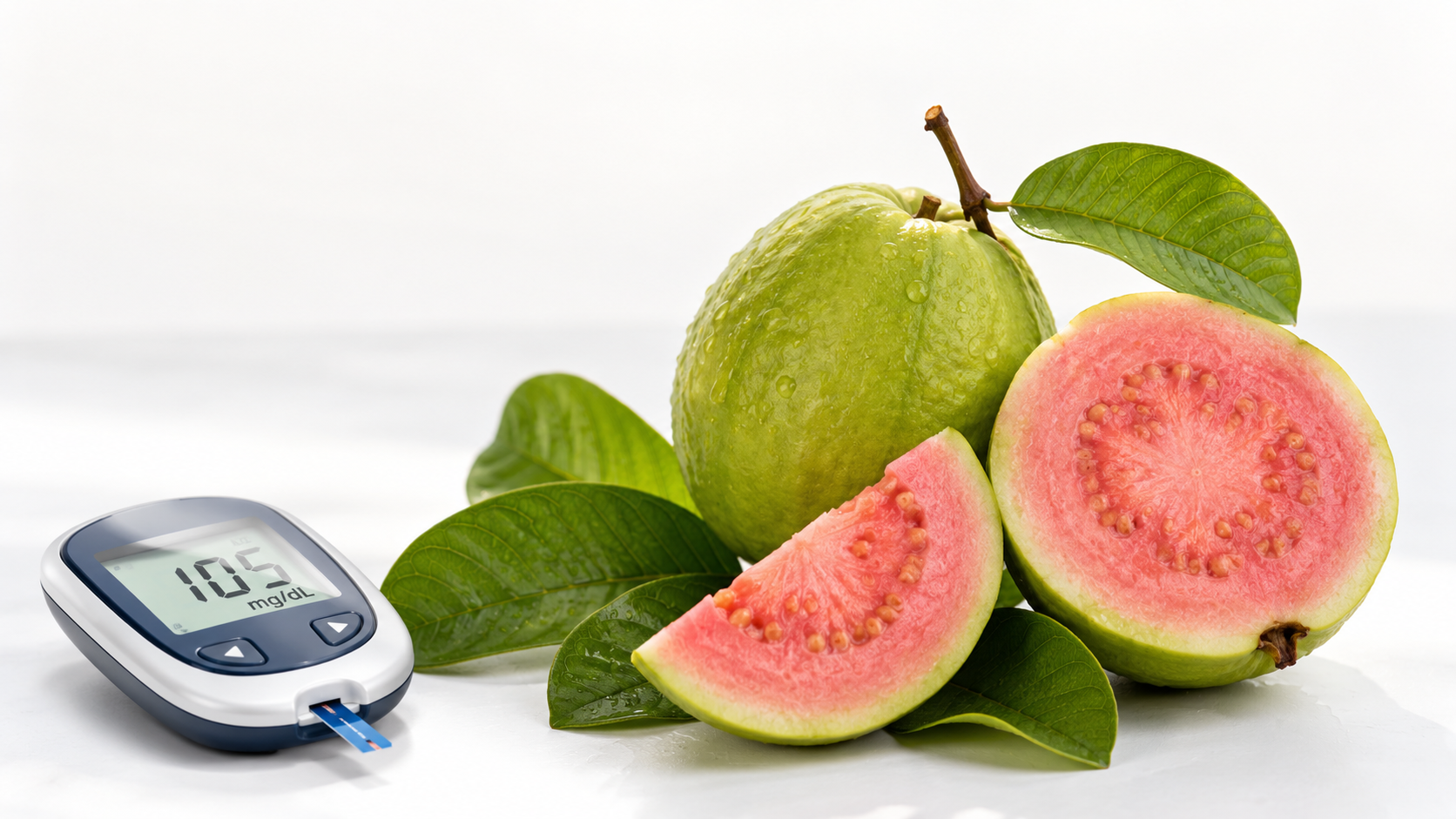
Guava for Diabetes: A Superfruit for Blood Sugar Control?
Diabetologist | Metabolic & Obesity Physician
Comprehensive Diabetes & Metabolic Care Center, Chitradurga
Guava is one of the healthiest fruits for people living with diabetes. Rich in dietary fiber, vitamin C, potassium, and antioxidants, it provides excellent nutrition while having a relatively low glycemic impact when eaten as a whole fruit.
Although no single food can cure diabetes, guava can be an excellent addition to a balanced diabetes meal plan because it promotes fullness, supports steady blood sugar levels, and contributes to overall metabolic health.
Why Guava Is Good for People with Diabetes
High in Dietary Fiber
Guava contains plenty of soluble and insoluble fiber, which slows digestion and helps reduce the speed at which glucose enters the bloodstream after eating.
Low Glycemic Impact
Compared with many tropical fruits, whole guava produces a slower rise in blood sugar, making it a smart fruit choice for diabetes.
Rich in Vitamin C
Guava provides more vitamin C than many citrus fruits, helping support immunity, healthy skin, and protection against oxidative stress.
Packed with Antioxidants
Natural antioxidants help reduce inflammation and protect cells from damage associated with diabetes and cardiovascular disease.
Supports Heart Health
Potassium and dietary fiber may contribute to healthy blood pressure and cholesterol levels, reducing cardiovascular risk.
May Improve Blood Sugar Control
Some research suggests that guava and guava leaf extracts may support healthy glucose metabolism, although more studies are needed and whole fruit remains the preferred option.
The Best Way to Eat Guava
Choose Whole Fruit Instead of Juice
Eating a whole guava preserves its natural fiber, which helps slow glucose absorption. Fruit juice removes much of the fiber and can cause blood sugar to rise much more quickly.
- Eat one small to medium whole guava as a snack or with a meal.
- Enjoy the fruit with the skin after washing thoroughly, as the peel contains valuable fiber and nutrients.
- Pair guava with a handful of unsalted nuts, roasted chana, or yogurt for a more balanced snack.
- Monitor your blood sugar response if you are newly diagnosed or using a Continuous Glucose Monitor (CGM).
Foods and Preparations to Avoid
| Avoid | Reason |
|---|---|
| Guava Juice | Juicing removes most of the fiber and causes glucose to be absorbed much faster. |
| Sweetened Guava Drinks | Added sugar significantly increases the carbohydrate content and blood sugar response. |
| Guava Jams and Candies | These products often contain large amounts of sugar and should be eaten only occasionally. |
| Very Large Portions | Even healthy fruits contain carbohydrates, so portion control remains important. |
Tips for Including Guava in a Diabetes Meal Plan
Choose Fresh Fruit
Fresh guava is always a better choice than processed or packaged guava products.
Practice Portion Control
One small or medium guava is usually an appropriate serving for most adults.
Combine with Protein
Eating guava with nuts, seeds, yogurt, or other protein-rich foods may further slow glucose absorption.
Maintain Overall Balance
Healthy blood sugar depends on your entire diet, regular exercise, medications, and meal timing—not on a single food.
Frequently Asked Questions
Can people with diabetes eat guava every day?
Yes. Most people with diabetes can safely enjoy one small to medium guava daily as part of a balanced diet, provided overall carbohydrate intake is considered.
Is guava better than fruit juice?
Absolutely. Whole guava contains fiber that slows glucose absorption, whereas juice removes much of the fiber and raises blood sugar more quickly.
Can guava cure diabetes?
No. Guava is a nutritious fruit that supports healthy eating but does not cure diabetes. It should be part of an overall diabetes management plan.
Should I remove the peel?
If the fruit is washed properly, eating guava with the peel provides additional fiber and nutrients that may further benefit blood sugar control.
A Message from Dr. Prashanth G
Guava is one of the best fruits you can include in a diabetes-friendly diet. Its high fiber content, rich nutrient profile, and relatively low glycemic impact make it a healthier choice than many processed snacks or sugary desserts.
Remember that no single fruit is a miracle food. The greatest benefits come from combining healthy food choices with regular physical activity, appropriate medications, good sleep, and routine blood sugar monitoring.
If you are unsure how much fruit is right for you, consult your diabetologist or dietitian to create a personalized meal plan that suits your health goals.