Insulin Resistance: What It Is, Signs and How It Connects to Weight, PCOS and Diabetes
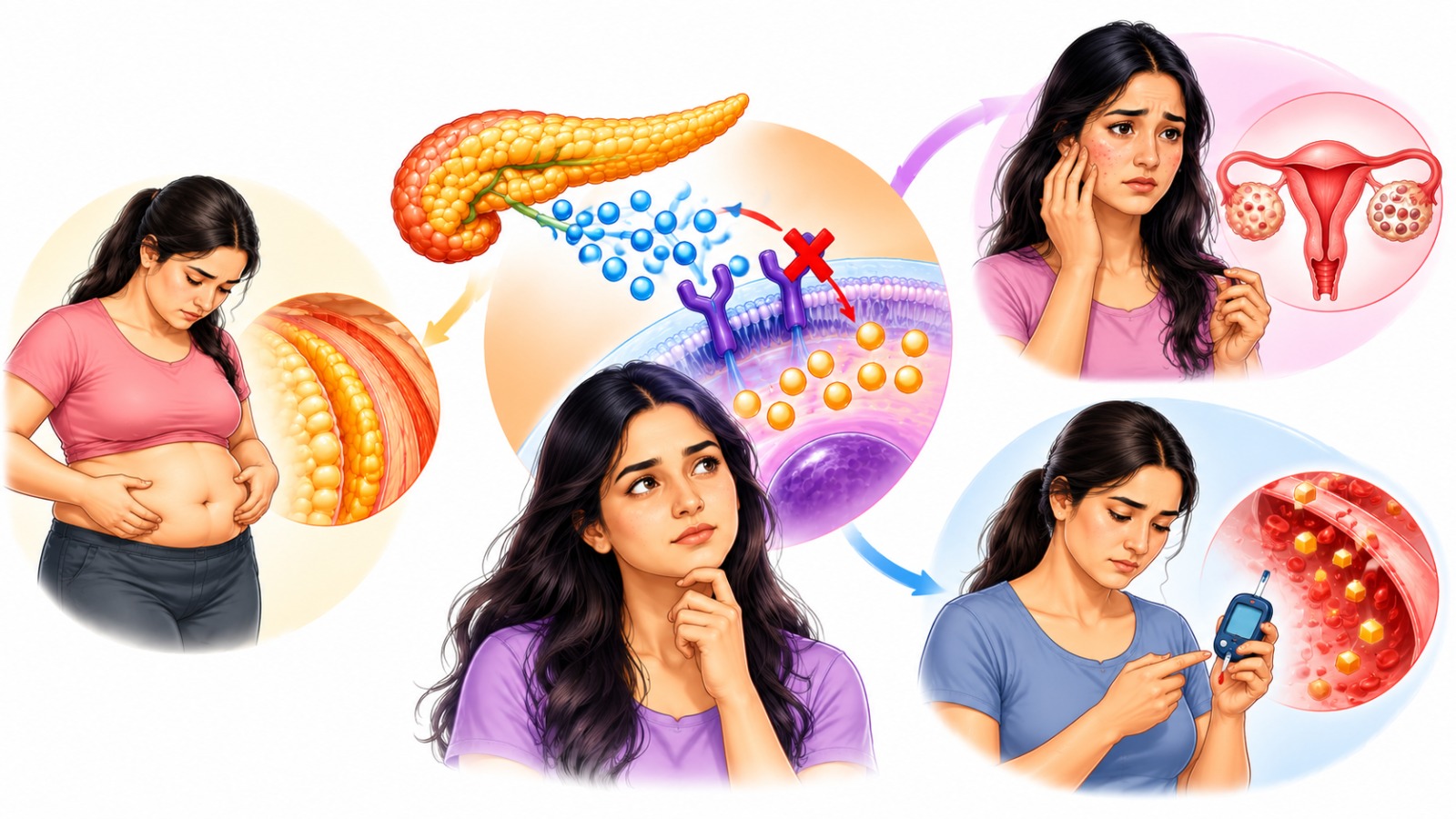
Insulin resistance means your body's cells do not respond to insulin as effectively as they should. Blood sugar may rise over time if the pancreas cannot compensate by producing enough insulin. Insulin resistance is associated with abdominal fat, PCOS, prediabetes and type 2 diabetes.
Medical Registration Number: KMC 43443
What Is Insulin Resistance?
Insulin is a hormone produced by the pancreas. It helps glucose, or sugar, move from the bloodstream into muscle and other cells, where it can be used for energy or stored for later use.
In insulin resistance, the body's cells respond less effectively to insulin. To compensate, the pancreas initially produces more insulin to help maintain normal blood glucose levels.
This compensation may work for years. However, if the pancreas can no longer produce enough insulin to meet the body's needs, blood glucose can rise and prediabetes or type 2 diabetes may develop.
Common Signs and Symptoms of Insulin Resistance
Many people with insulin resistance have no obvious symptoms. It may be discovered during routine screening or when blood glucose begins to rise.
Possible Physical Clues
- Increased fat around the waist.
- Difficulty managing weight.
- Dark, thickened, velvety skin patches on the neck, armpits or groin, known as acanthosis nigricans.
- Small skin growths called skin tags.
Symptoms That May Indicate High Blood Sugar
- Increased thirst.
- Frequent urination.
- Unexplained weight loss.
- Blurred vision.
- Fatigue or recurrent infections.
What Increases the Risk of Insulin Resistance?
Insulin resistance develops through a combination of genetic, lifestyle, hormonal and metabolic factors. Having one or more risk factors does not mean a person will necessarily develop diabetes.
How Is Insulin Resistance Connected to Weight Gain?
Insulin resistance and excess body fat can influence each other. Excess abdominal fat is associated with impaired insulin signaling, while insulin resistance can make weight management more complicated for some people.
However, insulin resistance should not be viewed as the only explanation for weight gain or difficulty losing weight. Appetite, food intake, physical activity, sleep, medicines, genetics and other medical conditions can all influence body weight.
Abdominal Fat and Metabolism
Excess abdominal fat is associated with changes in fatty-acid handling and metabolic signaling that can reduce insulin sensitivity.
Weight Management
Sustainable nutrition changes, regular activity and appropriate medical support can improve metabolic health, even when weight loss is gradual.
Insulin Resistance and PCOS
Polycystic ovary syndrome (PCOS) is a hormonal and metabolic condition that can affect menstrual cycles, skin, hair growth and fertility.
Insulin resistance is common in PCOS. Higher insulin levels can stimulate ovarian androgen production in some women, potentially contributing to irregular periods, acne and excess facial or body hair.
Possible Features of PCOS
- Irregular or infrequent menstrual periods.
- Acne or oily skin.
- Excess facial or body hair.
- Difficulty conceiving due to irregular ovulation.
- Increased risk of impaired glucose regulation.
PCOS is also associated with an increased risk of type 2 diabetes, gestational diabetes and certain cardiovascular risk factors. The level of risk varies from person to person.
Insulin Resistance and Type 2 Diabetes
Insulin resistance is an important contributor to type 2 diabetes. Initially, the pancreas may produce additional insulin to compensate, keeping blood glucose within the normal range.
Over time, if the pancreas cannot produce enough insulin to overcome this resistance, blood glucose rises. This may lead first to prediabetes and then to type 2 diabetes.
Blood Glucose Test Ranges
The following are commonly used diagnostic thresholds for non-pregnant adults. Your doctor will interpret results in the context of your health and may recommend repeat testing to confirm a diagnosis.
| Test | Prediabetes Range | Diabetes Range |
|---|---|---|
| HbA1c | 5.7%–6.4% | 6.5% or higher |
| Fasting Plasma Glucose | 100–125 mg/dL | 126 mg/dL or higher |
| 2-Hour Oral Glucose Tolerance Test | 140–199 mg/dL | 200 mg/dL or higher |
What Can Help Improve Insulin Resistance?
There is no single diet or lifestyle change that works for everyone. A combination of sustainable habits can improve insulin sensitivity and reduce the risk of progression to type 2 diabetes.
- Choose Balanced Meals: Include vegetables, pulses, whole grains, nuts, seeds and adequate protein. Adjust portions to your individual energy needs and medical conditions.
- Reduce Sugary Drinks and Refined Foods: Limit sugar-sweetened beverages, frequent sweets, refined-flour snacks and highly processed foods.
- Move Regularly: Walking, cycling, swimming and other moderate activities can improve glucose use by muscles. Many adults can aim for at least 150 minutes of moderate-intensity activity each week, if medically suitable.
- Include Strength Training: Muscle-strengthening activity on two or more days each week can support muscle function and glucose regulation. Start at a level appropriate for your fitness and health.
- Prioritise Sleep: Maintain a regular sleep schedule. If you snore heavily or experience excessive daytime sleepiness, ask your doctor whether sleep apnea assessment is appropriate.
- Consider Sustainable Weight Reduction: For people with excess weight, even a modest reduction can improve insulin sensitivity and metabolic health. The appropriate target depends on individual circumstances.
- Review Your Health With a Doctor: Blood glucose, HbA1c, blood pressure, cholesterol and other risk factors may need assessment and follow-up.
Are Medicines Used to Treat Insulin Resistance?
Medicines may be appropriate for some people depending on their diagnosis, risk factors and overall health. For example, metformin may be prescribed in selected cases of prediabetes or PCOS.
The choice of medicine depends on the individual's clinical situation. Not everyone with suspected insulin resistance needs medication, and treatment should not be based on symptoms or body weight alone.
When Should You See a Doctor?
Consider medical assessment if you have any of the following:
- Increased thirst or frequent urination.
- Unexplained weight loss or blurred vision.
- Dark, velvety skin patches around the neck, armpits or groin.
- Irregular menstrual cycles, significant acne or excess facial hair.
- A family history of type 2 diabetes.
- Previous gestational diabetes or a diagnosis of PCOS.
- Overweight, abdominal obesity, sleep apnea or previously elevated blood glucose.
Frequently Asked Questions
Insulin resistance may improve with regular physical activity, balanced nutrition, appropriate weight management and adequate sleep. Results vary, and ongoing medical follow-up may be needed.
No. Insulin resistance increases the risk of prediabetes and type 2 diabetes, but not everyone with insulin resistance develops diabetes. Early attention to risk factors can help improve metabolic health.
Doctors commonly assess its metabolic effects using HbA1c, fasting plasma glucose and sometimes an oral glucose tolerance test. Blood pressure, cholesterol and other risk factors may also be assessed. Direct insulin-resistance tests are not routinely needed for most people.
Yes. Insulin resistance can occur in people with normal body weight, including those with PCOS or genetic and other metabolic risk factors.
PCOS has multiple contributing factors, including hormonal and genetic influences. Insulin resistance is common in PCOS and can worsen some hormonal features, but it is not the only cause.
Key Takeaway
Insulin resistance can remain unnoticed for years, but it is closely linked with abdominal fat, PCOS, prediabetes and type 2 diabetes. A balanced diet, regular exercise, adequate sleep and appropriate medical follow-up can help improve metabolic health and reduce future risk.
Medical Disclaimer: This content is intended for educational purposes only and is not a substitute for a personal consultation with a qualified healthcare professional. Diagnostic thresholds and treatment decisions may vary according to individual circumstances. Consult your doctor for personalised evaluation and care.